The Geography of Inequality:
A Global Perspective

NAME: UJJUAL KUMAR SINGH REG No. 12218856
SECTION: k0059SUBMITTED TO: Dr. Rahul Narayan Thapa
Introduction to the Geography of Inequality
Inequality, in its many forms, has been a persistent feature of human societies throughout history. From wealth disparity to access to resources, inequality is not just an economic issue, but a geographical one. In the 21st century, the geography of inequality explores how location—whether in terms of regions, cities, or countries—impacts people's opportunities and quality of life.
Geographical disparities in income, education, healthcare, and housing have become a global challenge that affects millions of people. What often goes unnoticed is how geography shapes the very structure of inequality, dictating which communities thrive and which fall behind.
Key Themes in the Geography of Inequality:
- Economic Inequality: Differences in income and wealth across regions.
- Social Inequality: Unequal access to education, healthcare, and services.
- Environmental Inequality: The unequal burden of environmental challenges, such as climate change and pollution.
This blog will delve into these areas, offering a deeper understanding of the spatial factors that perpetuate inequality and how it can be addressed globally.

Economic Inequality Across the Globe
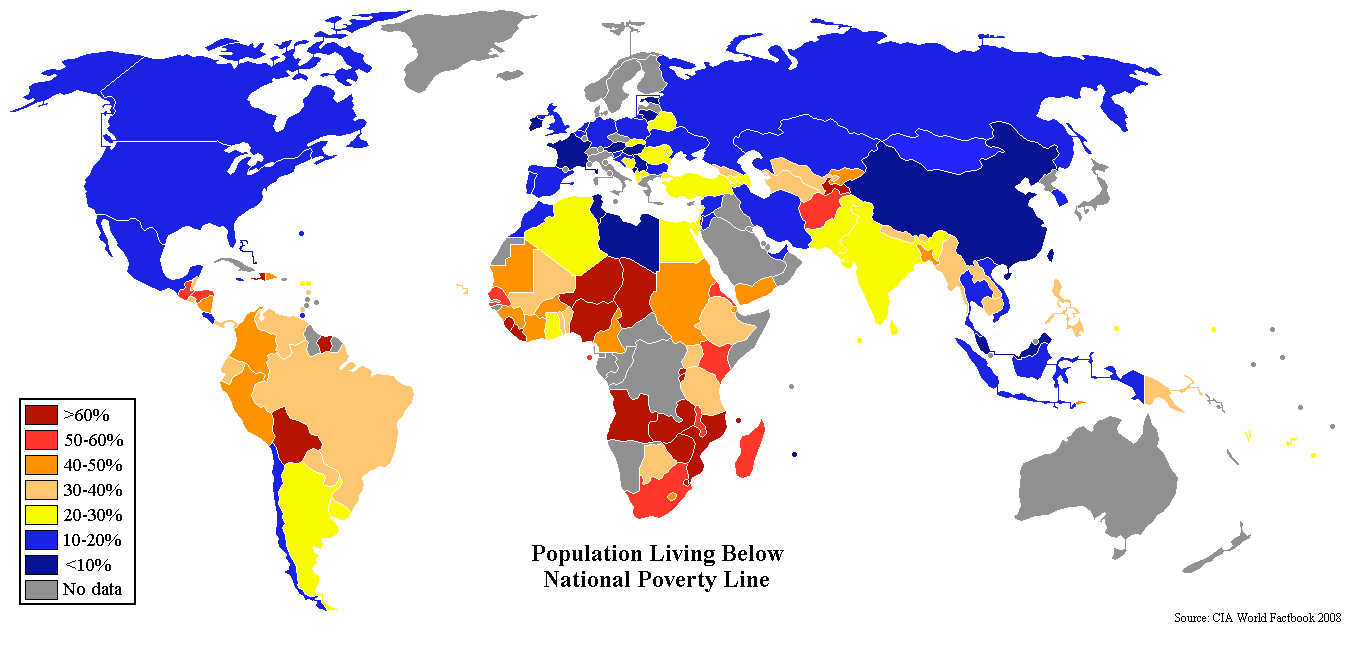
Economic inequality is one of the most visible forms of inequality, and it is often defined by the stark differences in income levels between individuals, regions, and countries. The global north-south divide is a classic example of how geography plays a significant role in determining wealth and prosperity.
-
Global Wealth Distribution: The world's wealth is unevenly distributed. In countries like the United States, Canada, and Germany, a higher percentage of the population enjoys a higher standard of living. In contrast, many countries in Sub-Saharan Africa and Southeast Asia struggle with poverty, lack of infrastructure, and insufficient economic opportunities.
-
Urban vs. Rural Disparities: Within countries, the divide between urban and rural areas is profound. Cities like New York, London, and Tokyo are economic powerhouses, offering abundant job opportunities, better living standards, and access to education and healthcare. Meanwhile, rural areas are often left behind, experiencing higher unemployment rates and limited access to essential services.
-
Regional Economic Hubs: Certain regions within countries are often the focal points of economic activity. For example, the coastal cities of China and India are thriving with technology and manufacturing sectors, while inland regions continue to face stagnation and poverty.

Social Inequality and Access to Services
Social inequality is another key factor that perpetuates geographical disparities. Access to education, healthcare, and essential services can be vastly different depending on where one lives.
-
Education: Educational opportunities are a major driver of social inequality. Children in wealthy regions often have access to better schools, higher-quality teachers, and more opportunities for higher education. In contrast, children in poorer or rural areas may face overcrowded classrooms, outdated facilities, and limited access to advanced learning resources.
- Healthcare: Access to healthcare is another major geographical disparity. Countries with robust healthcare systems, such as those in Scandinavia and Western Europe, ensure that their populations are healthy and productive. However, in many parts of the Global South, access to even basic healthcare is limited, and people often have to travel long distances to seek medical treatment.
-
Housing and Infrastructure: Affordable housing remains a challenge in both developed and developing countries. In urban centers, rising real estate prices often push lower-income families to the peripheries of cities or even into informal settlements, while wealthy individuals and businesses occupy the prime areas. In rural regions, inadequate infrastructure (roads, sanitation, etc.) exacerbates poverty.
Environmental Inequality: The Unequal Burden
Environmental factors are often overlooked when discussing inequality, yet they play a significant role in shaping the lives of people across the globe. The impact of climate change, pollution, and natural disasters disproportionately affects marginalized and lower-income communities.
-
Climate Change: Communities in developing nations are more vulnerable to the effects of climate change, such as flooding, droughts, and heatwaves. Countries in Africa, Southeast Asia, and Latin America are often the hardest hit by environmental crises, even though they contribute least to global carbon emissions.
-
Pollution: Industrialized cities and regions tend to suffer from high levels of air and water pollution. The people most affected by these conditions are often those who live in lower-income neighborhoods, where environmental regulations may be lax, and pollution control measures are inadequate.
-
Natural Disasters: People living in areas prone to natural disasters, such as hurricanes, earthquakes, or floods, face a higher risk of displacement and loss of life. Many of these areas are in developing nations, where resources for disaster prevention and recovery are limited.
The Role of Globalization in Inequality
Globalization has had both positive and negative effects on inequality. While it has lifted millions out of poverty through increased trade, technology, and investment, it has also deepened the gap between the rich and poor, both within and between countries.
-
Wealth Concentration: Globalization has allowed multinational corporations to amass vast wealth, but this wealth is often concentrated in the hands of a few. While global elites benefit from this interconnected world, many workers in less-developed countries face low wages, poor working conditions, and job insecurity.
-
Economic Dependency: Many developing countries rely on exporting raw materials to wealthier nations, which leaves them vulnerable to fluctuations in global commodity prices. This dependency on external markets can hinder long-term economic growth and deepen inequality.
-
Technology Gap: Access to technology is a key driver of inequality in the globalized world. While countries like the United States and China continue to innovate and develop cutting-edge technologies, poorer nations struggle with outdated infrastructure and limited access to digital resources.

Addressing Global Inequality: Solutions and Strategies
Tackling the geography of inequality requires coordinated global efforts and localized solutions. There is no one-size-fits-all approach, but several strategies can help reduce disparities and create more equitable societies.
-
Sustainable Development Goals (SDGs): The United Nations has set 17 SDGs to address global inequalities, ranging from poverty eradication to climate action. These goals aim to reduce disparities by promoting inclusive growth and sustainable development.
-
Social Programs and Policy Reforms: Governments need to invest in policies that promote access to education, healthcare, and affordable housing. Social welfare programs, such as universal basic income or subsidized healthcare, can also play a role in bridging the gap.
-
Global Cooperation: Tackling global inequality requires international collaboration, whether through financial aid, climate action, or trade agreements. Developed nations have a responsibility to support developing countries through investments and fair trade practices.
-
Empowering Local Communities: Empowering local communities through grassroots initiatives, such as microfinancing, skills training, and local governance, can help bridge regional gaps in development and opportunity.
Conclusion
The geography of inequality highlights the critical role that geography plays in shaping the opportunities and life chances of individuals and communities around the world. By understanding the spatial dynamics of inequality, we can work toward a more equitable and just world where everyone has access to the resources and opportunities they need to thrive.
Comments
Post a Comment